Introduction:
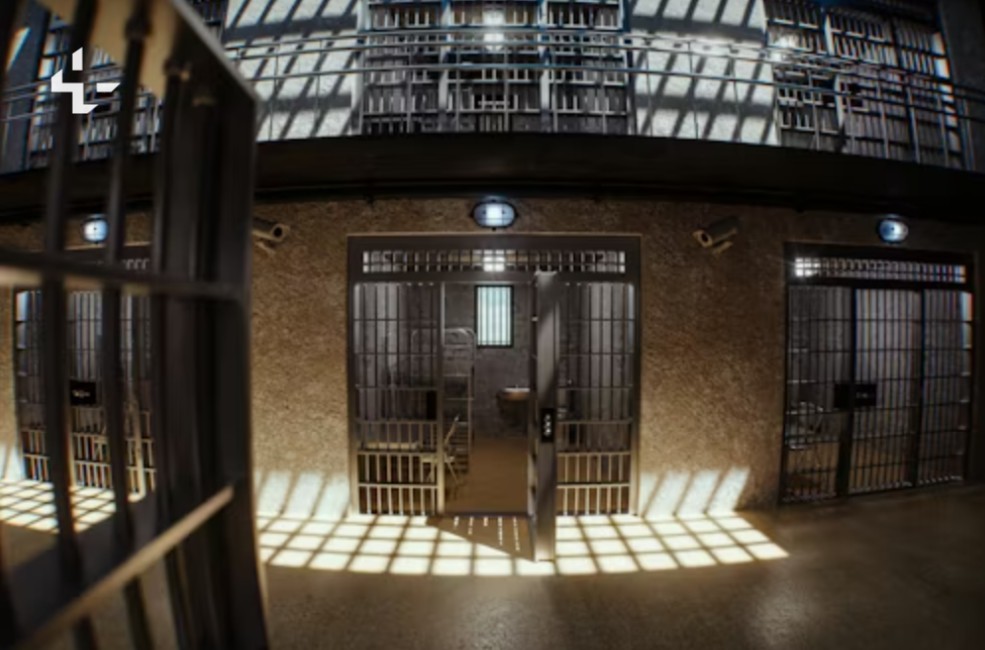
Beyond rules and regulations, the physical environment of prisons and immigration detention facilities shapes daily life. While confinement is often seen as control or punishment, living conditions receive less attention. Across the UK, concerns have mounted over overcrowding, restricted mobility and limited access to basic facilities.
In recent years, prisons in England and Wales have faced increasing pressure from a rising population and limited space. Many operate at or near full capacity, straining staff and resources (Low and Downs, 2024). Despite an increase in operational prison staff, levels in March 2024 were still 11% lower than in 2010, highlighting pressures. Immigration detention facilities experience similar challenges as individuals await decisions on their status. Although these systems serve different legal purposes, both rely on tightly controlled environments that limit movement and structure daily routines. This blog examines the physical realities of prisons and immigration detention centres, highlighting how confinement conditions affect daily experiences and contribute to broader institutional harm.
Overcrowding and Limited Space
Overcrowding is a persistent issue in prisons throughout England and Wales, resulting in a lack of space. Cells designed for one often accommodate two, reducing privacy and placing pressure on limited space. Recent findings from the Prison Reform Trust found 72% of prisons in England and Wales were overcrowded in 2024-25 (Hewson, 2026).
Consequences of overcrowding extend beyond sleeping arrangements. Essential amenities, including restrooms, medical facilities and recreational areas, strained by increased demand, lead to longer waiting times. Overcrowding also reduces time outside cells, limiting opportunities for exercise, education and support programmes (HM Inspectorate of Prisons, 2024).
Immigration detention facilities face similar challenges, especially during population surges. Although often smaller than prisons, these facilities also involve shared rooms and restricted living conditions. Highlighting the importance of capacity across detention.
Restricted Movement and Routines
Movement in custodial settings is tightly regulated to maintain security. However, staffing shortages and population growth disrupt operations. Insufficient staff overseeing prisoner movement often confines individuals to their cells for long periods (HM Inspectorate of Prisons, 2024). This practice, termed ‘constrained regimes’, limits opportunities for meaningful activities and social interaction.
Restricted movement also affects access to communal facilities like classrooms, workshops and leisure areas. Staffing shortages or overcrowding can lead to cancelled activities, resulting in unpredictable routines. Many experience a cycle of waiting: waiting for release, to use services and for routine activities to resume. In immigration detention, movement is similarly governed by strict timetables for meals, leisure and legal consultations. Despite differing aims, controlled movement creates similar routines.
Access to Facilities and Legal Support
Access to services is crucial in confinement. Medical units, legal consultation rooms and recreational spaces are essential for safety and functioning. However, institutional pressures can restrict access. Staff shortages and overcrowding negatively impact healthcare access, with many institutions struggling with consistent provision and delayed visits (Care Quality Commission, 2022). Limited staffing and space also reduce access to education and training, hindering skill development.
Physical infrastructure is vital for legal access. Detainees need regular communication with solicitors to understand their legal position and prepare for hearings. Scheduling conflicts and a lack of suitable spaces delay these interactions, hindering timely legal advice. The UK’s Detained Duty Advice Scheme (DDAS) offers 30 minutes of free legal advice to detainees, but its effectiveness is limited by shortages of meeting rooms and staff availability. This shows how infrastructure shapes access to legal support (McGregor, 2025).
Reflection: Why Physical Conditions Matter
Living conditions impact daily life within confinement settings. Overcrowding, limited mobility and restricted access to services influence institutional operations and individual experiences. Inadequate living standards lead to safety, justice and accountability issues. These conditions raise questions about standards in places that restrict freedom.
To address these challenges, investment in prison and detention infrastructure is essential to reduce overcrowding and improve living conditions. Institutions must ensure consistent access to healthcare, legal support and rehabilitative services while strengthening independent oversight. Without these changes, the negative effects of confinement will persist.
Conclusion
Physical conditions shape daily life within prison and immigration detention facilities. Cramped living spaces, restricted mobility and restricted access to services affect experiences. While these systems aim to maintain order, pressure on infrastructure reveals challenges of managing large populations in confined spaces. They also raise questions about equality and justice within detention systems. Differences in infrastructure and service access lead to varied experiences of confinement, highlighting how institutional procedures affect groups unevenly – the next blog is on discrimination and inequality in confinement.
References:
Care Quality Commission (2022). Staff Shortages and the Impact on Patients – Care Quality Commission. [online] CQC. Available at: https://www.cqc.org.uk/publications/monitoring-mental-health-act/2021-2022/staff-shortages
Hewson, A. (2026). Report underlines ‘urgent need to reduce demand on our critically overburdened prisons’ | Prison Reform Trust. [online] Prison Reform Trust. Available at: https://prisonreformtrust.org.uk/report-underlines-urgent-need-to-reduce-demand-on-our-critically-overburdened-prisons/.
HM Inspectorate of Prisons (2024). Purposeful prisons: time out of cell – HM Inspectorate of Prisons. [online] Justiceinspectorates.gov.uk. Available at: https://hmiprisons.justiceinspectorates.gov.uk/hmipris_reports/purposeful-prisons-time-out-of-cell/.
Low, N. and Downs, W. (2024). Prisons capacity and performance. [online] UK Parliament. Available at: https://post.parliament.uk/prisons-capacity-and-performance/.
McGregor, G. (2025). The Reality of Justice in Immigration Detention. [online] Detention Action. Available at: https://detentionaction.org.uk/2025/06/09/the-reality-of-accessing-justice-in-detention/.
 BEYOND THE WALLS
Leave a comment